
👋 Whether you’ve just been diagnosed with coeliac disease, discovered a gluten sensitivity, or are exploring a gluten-free lifestyle for other reasons, welcome to the club! This guide is your new best friend on your gluten-free journey. Don’t worry – we’ll take it step by step, and before you know it, you’ll be a gluten-free guru!
Understanding Your Diagnosis
First things first – let’s talk about why you’re here.
Coeliac Disease
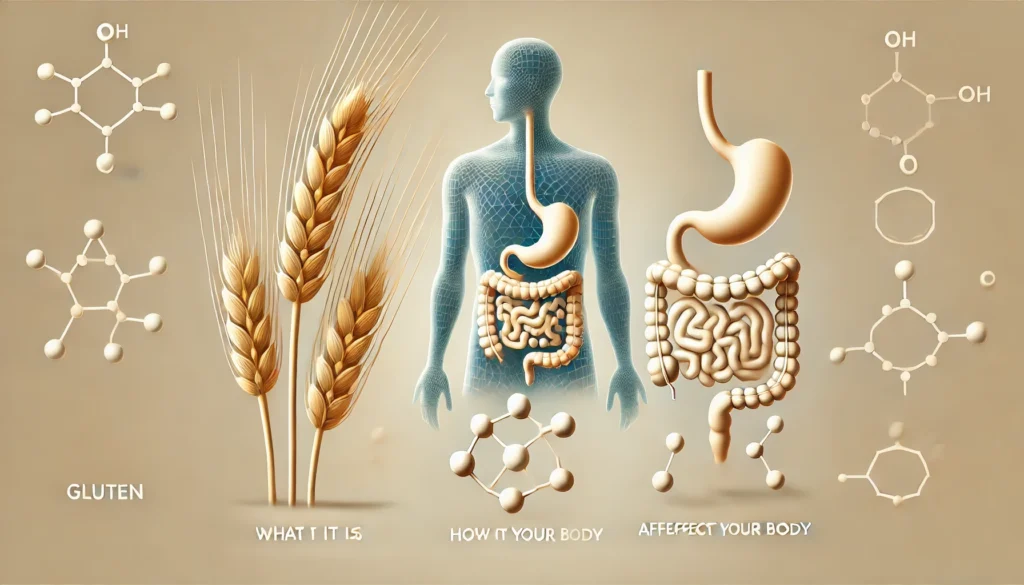
Coeliac disease is an autoimmune condition where your body reacts to gluten, a protein found in wheat, barley, and rye. When you eat gluten, it triggers an immune response that damages your small intestine. Ouch!
Non-Coeliac Gluten Sensitivity (NCGS)
If you’ve been diagnosed with NCGS, your body reacts negatively to gluten, but without the intestinal damage seen in coeliac disease. The symptoms can be similar, though!
Other Reasons
Some people choose to go gluten-free for other health reasons or personal preference. Whatever your reason, we’ve got you covered!
What Exactly is Gluten?
Gluten is like the glue that holds certain foods together. It’s found in:
- Wheat (including spelt, kamut, farro, and durum)
- Barley
- Rye
- Triticale (a cross between wheat and rye)
It’s what makes bread chewy and gives pastries their delightful texture. But for some of us, it’s also a troublemaker!
The Gluten-Free Diet: What Can I Eat?
Now for the fun part – food! Here’s a quick rundown:
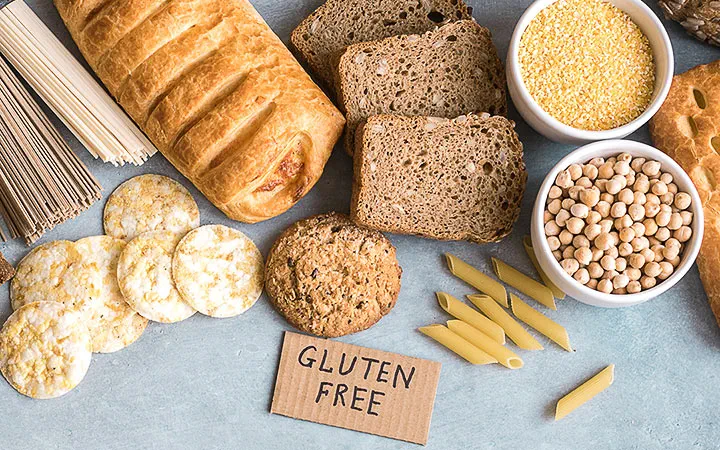
Naturally Gluten-Free Foods (Your New Best Friends)
- Fruits and vegetables
- Meat and poultry
- Fish and seafood
- Dairy
- Beans, legumes, and nuts
- Rice
- Corn
- Quinoa
- Buckwheat
- Millet
- Amaranth
- Teff
Foods to Avoid (The Gluten Culprits)
- Wheat-based bread, pasta, cakes, and biscuits
- Barley
- Rye
- Oats (unless specifically labelled gluten-free)
- Beer (but don’t worry, gluten-free options exist!)
- Many processed foods (always check the label)
Navigating the Supermarket: Your Gluten-Free Shopping Guide
Shopping gluten-free can feel overwhelming at first, but with these tips, you’ll be a pro in no time!
Read Labels Carefully: Gluten can hide in unexpected places. In the UK and EU, allergens (including gluten) must be clearly labelled.
Look for Gluten-Free Certification: Many products are now certified gluten-free, making your shopping easier.
Beware of Cross-Contamination: Some naturally gluten-free grains might be processed in facilities that also handle wheat. Look for “may contain” warnings.
Explore the Free-From Aisle: Many supermarkets now have dedicated gluten-free sections.
Don’t Assume: Just because something was gluten-free last time doesn’t mean it always will be. Recipes change, so always check!
Eating Out: Tips and Tricks
Dining out doesn’t have to be daunting. Here’s how to do it safely:
Research Restaurants: Many have gluten-free menus or options. Apps like Find Me Gluten Free can be helpful.
Call Ahead: If possible, speak to the restaurant about your needs before you visit.
Speak Up: Don’t be shy about explaining your dietary requirements to the staff.
Ask About Preparation: Even if a dish is naturally gluten-free, it could be contaminated during cooking.
Be Careful with Sauces and Dressings: These are common hidden sources of gluten.
When in Doubt, Keep it Simple: Grilled meats, fish, and vegetables are usually safe bets.
Gluten-Free Cooking and Baking: You Can Do It!
Cooking gluten-free at home is a great way to ensure your food is safe (and delicious). Here are some tips:
Experiment with Gluten-Free Flours: Rice flour, almond flour, coconut flour, and buckwheat flour are great options.
Use Xanthan Gum: This helps bind your baked goods in the absence of gluten.
Don’t Be Afraid to Fail: Gluten-free baking can be tricky at first. Keep trying!
Adapt Your Favourite Recipes: Many can be made gluten-free with simple substitutions.
Embrace Naturally Gluten-Free Foods: There are so many delicious options that don’t need any modification!
Nutritional Considerations
A gluten-free diet can be very healthy, but there are a few things to keep in mind:
Fibre: Many gluten-free substitutes are lower in fibre. Make sure to eat plenty of fruits, vegetables, and gluten-free whole grains.
B Vitamins: These are often added to wheat-based products. Look for gluten-free fortified foods or consider a supplement (consult your doctor first!).
Iron: If you have coeliac disease, you might be at risk for iron deficiency. Iron-rich foods like lean meats, leafy greens, and beans are your friends.
Calcium and Vitamin D: These are important for everyone, but especially if you have coeliac disease. Dairy products (if tolerated) and leafy greens are good sources.
Gluten-Free Around the World
Going gluten-free while travelling or living abroad? Here are some tips:
Learn Key Phrases: Know how to explain your dietary needs in the local language.
Research Local Cuisine: Many traditional dishes around the world are naturally gluten-free.
Bring Snacks: Always have some safe options with you, just in case.
Use Technology: Translation apps can help you read labels and communicate with restaurant staff.
Be Cautious with Street Food: While delicious, it can be risky if you can’t verify the ingredients.
Common Pitfalls and How to Avoid Them
Assuming All ‘Health Foods’ are Gluten-Free: Always check labels, even on products marketed as healthy.
Neglecting Cross-Contamination: Be mindful of shared toasters, cutting boards, and utensils.
Forgetting About Medications: Some pills use gluten as a binding agent. Always check with your pharmacist.
Not Giving Your Body Time to Heal: If you have coeliac disease, it can take time for your gut to recover. Be patient!
Feeling Deprived: There are so many delicious gluten-free options out there. Explore and enjoy!
Your Gluten-Free Journey: It Gets Easier!
Remember, going gluten-free is a journey. It might feel overwhelming at first, but it gets easier with time. Soon, it’ll become second nature!
Don’t be too hard on yourself if you make mistakes – we all do! The important thing is to learn from them and keep moving forward. And remember, you’re not alone. There’s a whole community of gluten-free folks out there ready to support you.
Here’s to your health and happiness on your gluten-free adventure! 🌟
Best, Paul